





Skin kind nightwear | Why what you wear to bed matters
As autumn turns into winter and days grow noticeably shorter, a sharp crispness fills the evening air. Our daily routines naturally shift indoors, and we reach for soft, warm layers to unwind after a long day.
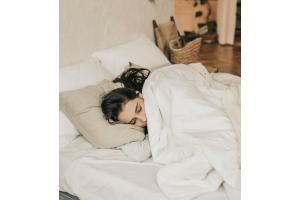
While we often invest time and care into our daytime wardrobes, the clothes we wear to sleep are frequently treated as an afterthought. Old t-shirts, worn-out joggers or fast-fashion pyjamas are often our default evening choices. Yet, when you consider that nightwear sits in direct, unbroken contact with your skin for roughly eight hours every night, what those garments are made of becomes vital to your health, skin, and sleep quality.
Autumn is the perfect season to rethink your evening wardrobe—not just for cosy comfort, but to give your skin and body the clean, toxin-free environment required for deep nocturnal restoration.
Hidden hazards in nightwear
The vast majority of mass market sleepwear is manufactured from synthetic petrochemical based fibres like polyester, nylon and acrylic, or conventional cotton blended with a synthetic. So why is this a problem? During sleep, your body naturally cycles through different thermal phases, releasing body heat and moisture to regulate its core temperature. Synthetic materials act like non-breathable plastic barriers, trapping heat and sweat against your skin, creating a warm, humid environment where bacteria thrive. This can also trigger night sweats, and contribute to skin irritation, particularly if you have sensitive skin or issues like eczema.
Conventional cotton isn't a safe alternative either. Non-organic cotton is one of the most heavily sprayed crops on Earth, relying on synthetic pesticides and insecticides. During garment manufacturing, conventional fabrics are routinely treated with formaldehyde resins (for crease resistance), toxic dyes, and chemical softeners. These residual chemcial treatments can rub off directly onto your skin, and through your pores which dilate in response to the warmth in your bed.
Why GOTS certified organic nightwear is essential for great sleep.
Organic sleepwear made without plastics and the toxins you want to avoid acts as a gentle, protective layer that works with your body’s biology rather than against it, allowing your body to breathe without chemical interference.
When nightwear carries the Global Organic Textile Standard (GOTS) certification, you can sleep easy, knowing that every single stage of production—from the soil where the cotton grows to the spinning, weaving, dying and then stitching into garments is strictly audited. GOTS certification guarantees zero toxic heavy metals, no endocrine-disrupting phthalates, no formaldehyde, and no hazardous chemical residues.
4 Reasons to switch to organic nightwear this autumn.
-
Superior temperature management: pure organic cotton allows excess body heat to escape, while maintaining a gentle insulating buffer against autumn chills. It actively draws moisture away from your skin, ensuring you stay dry and comfortable without overheating during nocturnal temperature shifts.
-
Hypoallergenic protection for sensitive skin: Organic cotton is grown without toxic pesticides and processed without formaldehyde or harsh dyes, eliminating the primary triggers for irritating skin conditions like contact dermatitis and eczema and reducing sensitive skin flare ups.
-
Respiratory health: Non organic cotton nightwear can be treated by many different chemicals that you'll breathe in night after night. Switching to organic nightwear that's been created without these toxins allows your lungs and immune system to rest completely overnight.
-
Natural durability and longevity: As organic cotton hasn't been treated with bleaches that can weaken fibres, organic garments hold their shape, stitching, and softness wash after wash, serving as enduring staples for many years.
Building an intentional autumn sleep wardrobe
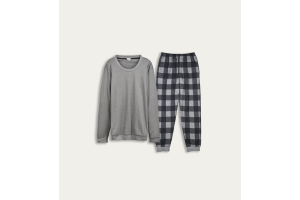
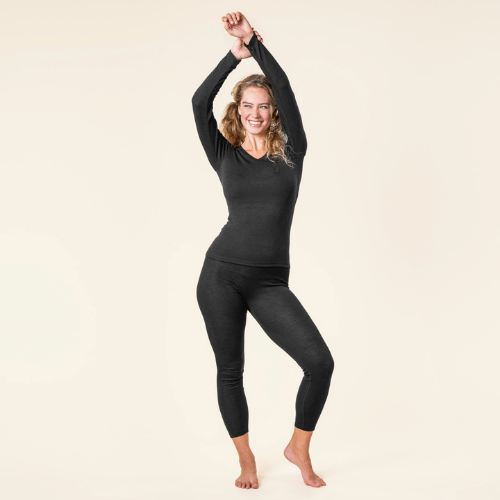
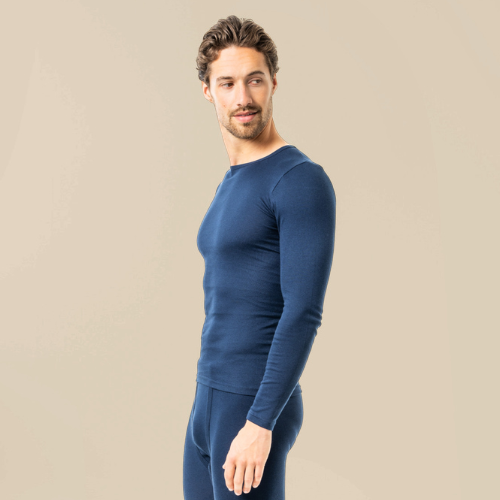
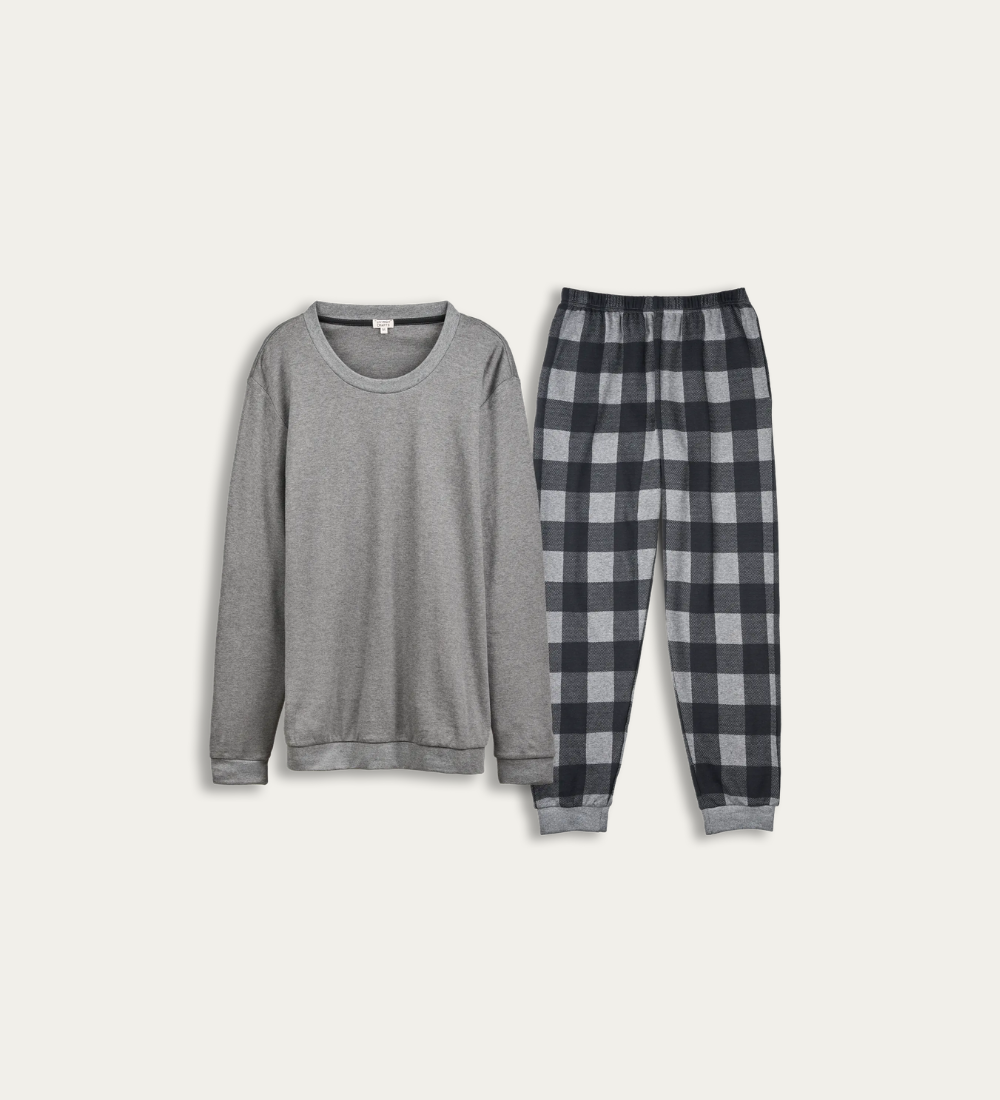
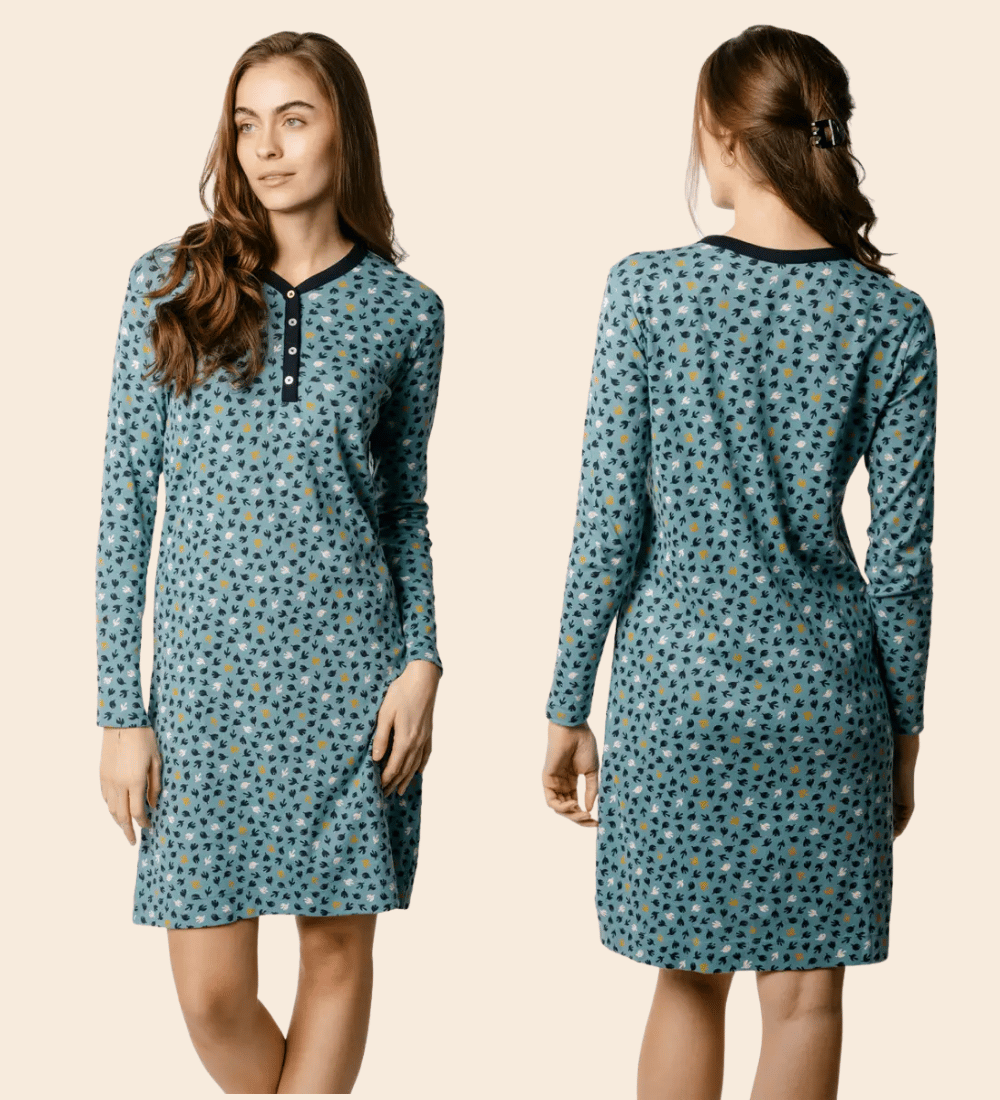
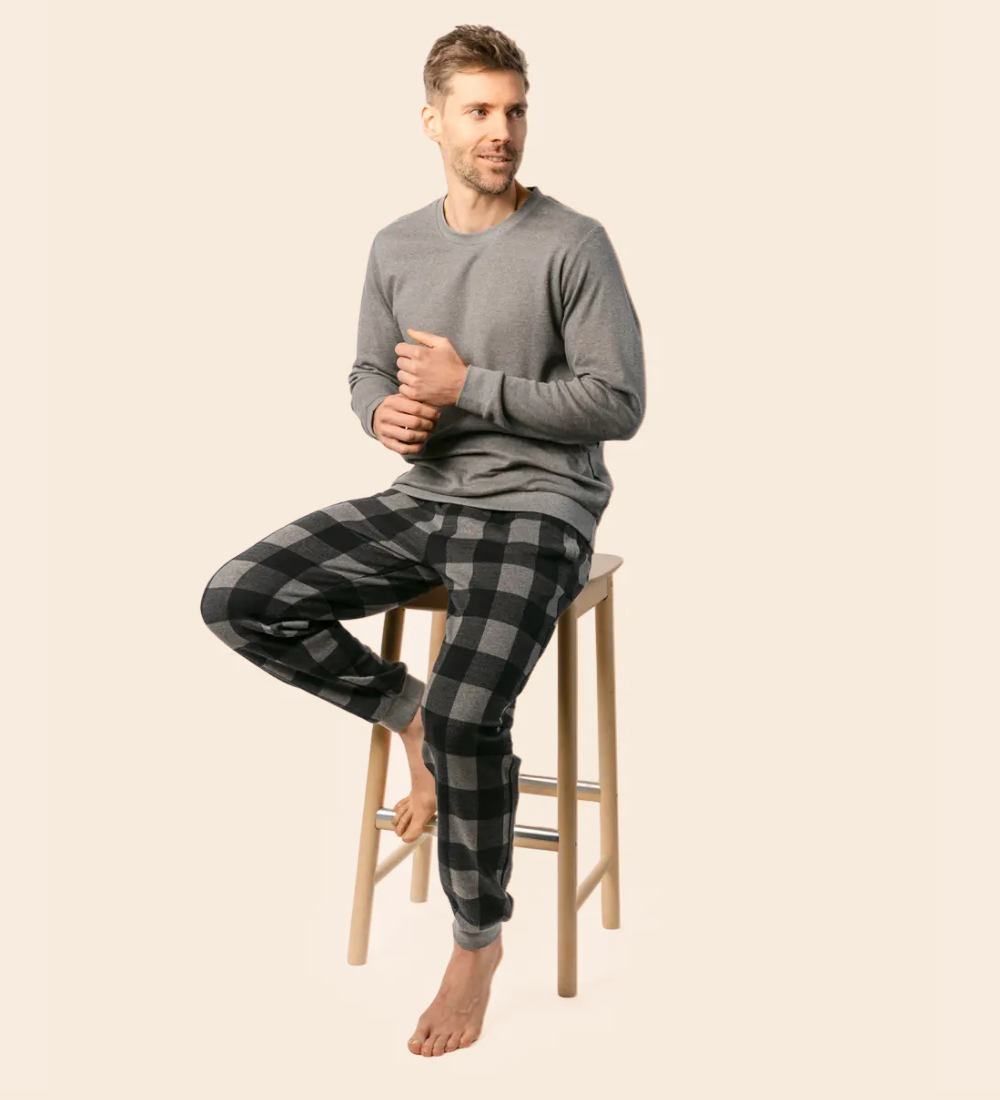
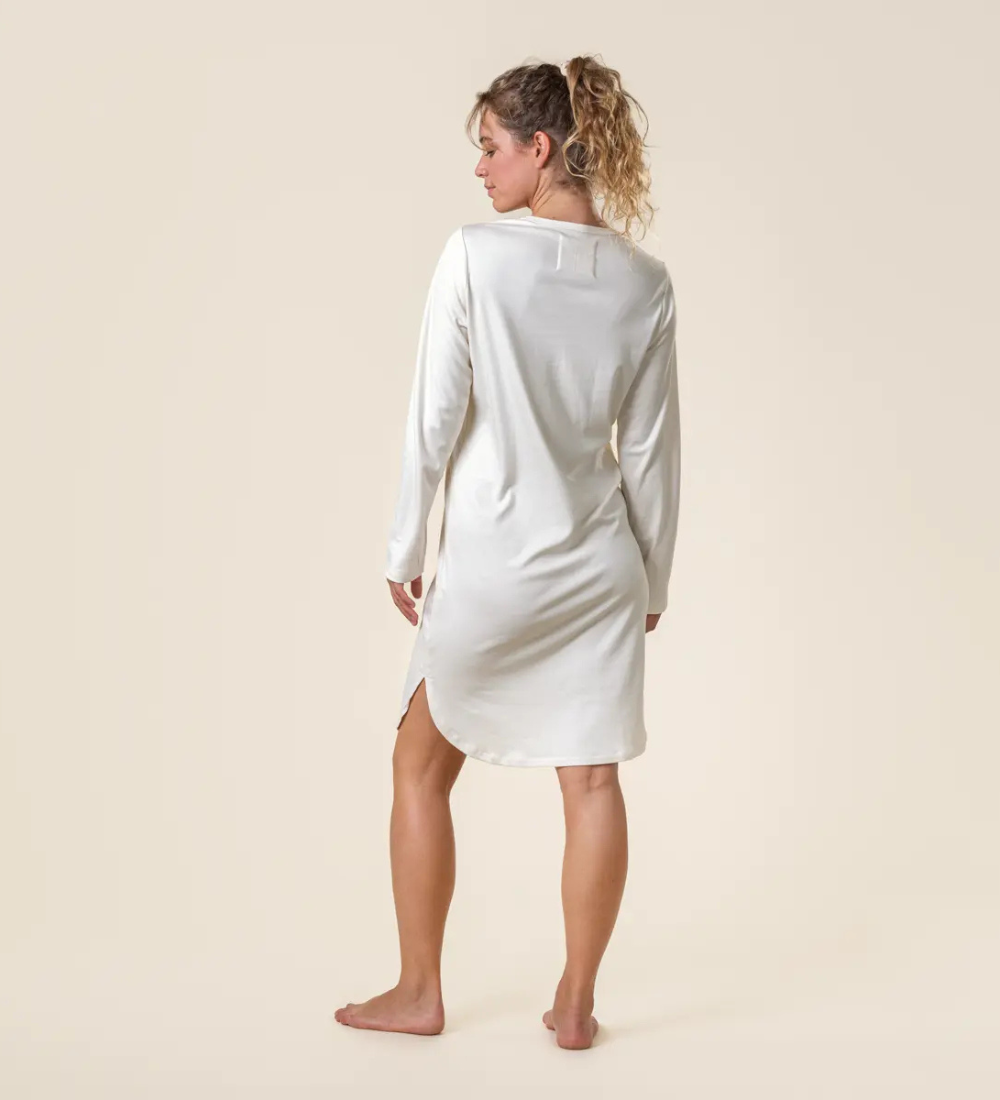
We're strong advocates of not buying anything new unless you need to, and that's why we only supply items like nightwear and bedding that are not easy (or practical) to source second hand. So, when you're ready to replace nightwear, because it's worn through or no longer helps you get the sleep you need, look for certified organic nightwear. You can find our womens organic nightwear here, and our mens organic nightwear here. Many of our customers tell us for super cold nights, our organic wool and silk base layers for women and for men make wonderful nightwear too. Once your organic, natural fibre nightwear no longer serves it's purpose, it will biodegrade back into the earth, leaving little to no trace,
Creating a healthier sleep routine doesn't require an entire overhaul. When you remove synthetic dyes, plastic fibres and harsh chemicals from your nightwear, you create a genuinely restorative sanctuary where your body can recover naturally every single night and enjoy the sleep you deserve.
Frequently Asked Questions
1. Are organic cotton pyjamas really worth it compared to regular cotton?
Yes, both for you and our planet. Conventional cotton uses significant amounts of toxic pesticides and synthetic chemical finishes (like formaldehyde and chlorine bleach) that remain in the fabric fibres. GOTS certified organic cotton guarantees that zero toxic chemicals touch your skin while you sleep. Additionally, because organic cotton fibres are not damaged by harsh chemical treatments, the fabric is noticeably softer, more breathable, and far more durable over years of washing.
2. How should I care for organic nightwear to make it last?
Organic nightwear should be washed with a gentle, eco-friendly laundry detergent at 30°C to 40°C. Avoid conventional fabric softeners, as they coat the natural fibers in synthetic silicone that reduces breathability and moisture-wicking properties, using a natural laundry rinse in your cycle can help keep garments softer too. Line drying in the open air is best for preserving the fibres and line dry freshness.
3. Will organic wool base layers itchy against my skin?
Our organic wool base layers are available as an organic wool & cotton blend or organic wool & silk bend, which make the wool feel softer, less itchy and reducing irritation. Many people find that organic wool feels better against their skin, as it's not been chemically treated.
4. Why do synthetic pyjamas cause me to wake up sweaty or uncomfortable?
Synthetic fabrics like polyester are made from petrochemical plastics that cannot absorb moisture like sweat. When your body temperature naturally rises during REM sleep, synthetic fabric traps heat and sweat against your skin, creating a clammy environment. This forces your body to sweat more to cool down, causing sudden temperature drops and micro-awakenings throughout the night.